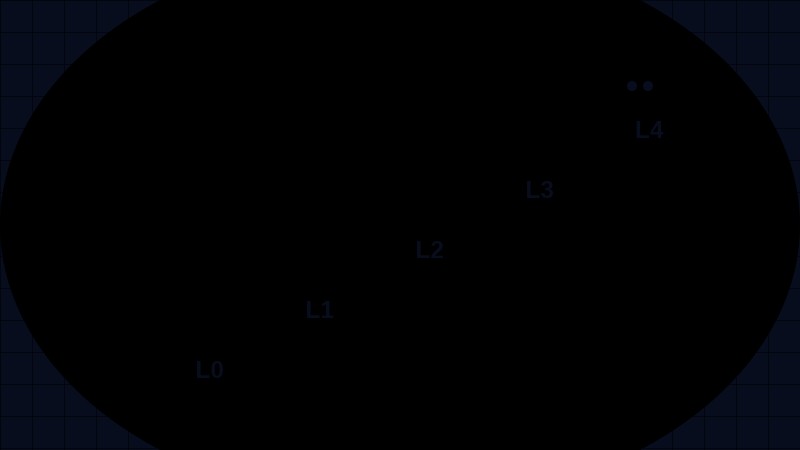
Most AI in imaging today sits at the 'assisted' level: deep-learning reconstruction, noise reduction and single-finding detection tools. A growing number of systems add partial automation, using 3D cameras to position patients and AI to propose scan ranges and protocols.
The next step, conditional autonomy, would see routine examinations run end-to-end with staff supervising and handling exceptions, and with draft structured reports prepared for radiologist sign-off. Remote scanning, where one technologist supervises several systems, is already offered in some settings.
Full autonomy raises open questions on regulation, liability and validation across diverse patient populations. Radiologists have a central role in defining protocols, testing AI locally and keeping humans in control. Our new AI & Future section maps these levels in more detail.